Culture and tradition in Jammu and Kashmir
Kashmir has a rich cultural heritage. Much of it reached the valley from the Middle East, carried in by the Sufi saints who came to Kashir, as Kashmiris call their own country. The people in all parts of the valley are very hospitable and helpful, and guests are looked after very well.
Jammu and Kashmir displays a diverse blend of cultures. It is a place where culture varies from place to place, and in Kashmir the dialect changes remarkably after every 10 kilometres. The demographical variation of the region is spiced up with specific diversions in philosophy, making it truly remarkable.
Each culture is unique and interesting. The three regions display a great diversity in each part of their values, including music, food, lifestyle, dance, tradition, festivals and much more. It becomes even more amazing when one witnesses the cultural diversions within the divisions.
People in Jammu and Kashmir have been very conservative as far as their values are concerned. They like to stick to their culture, and decades of interaction with the philosophies of other places have not displaced their own. This fact, however, does not indicate that Kashmiris are orthodox or backward; they are simple and warm hearted.
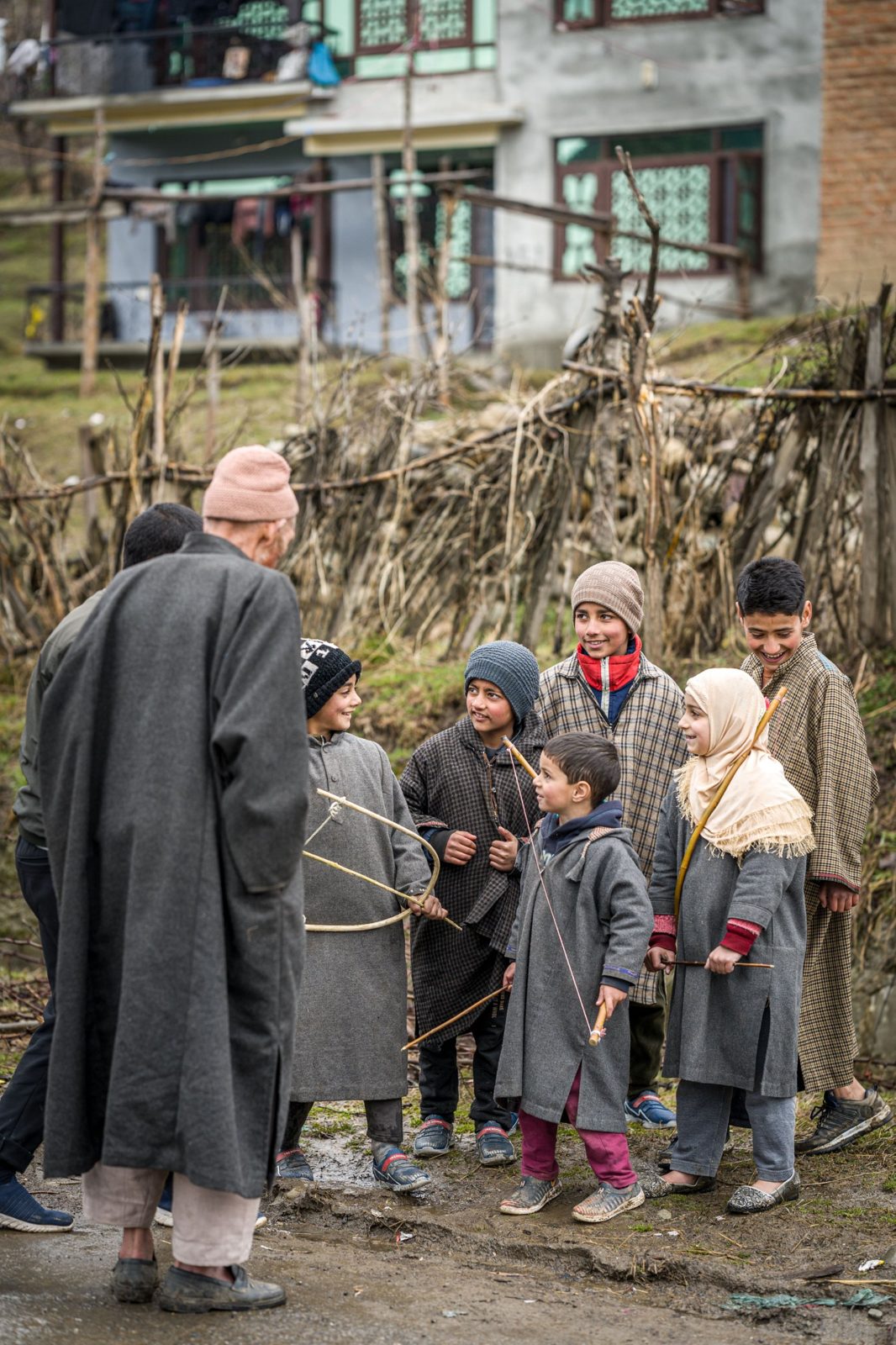
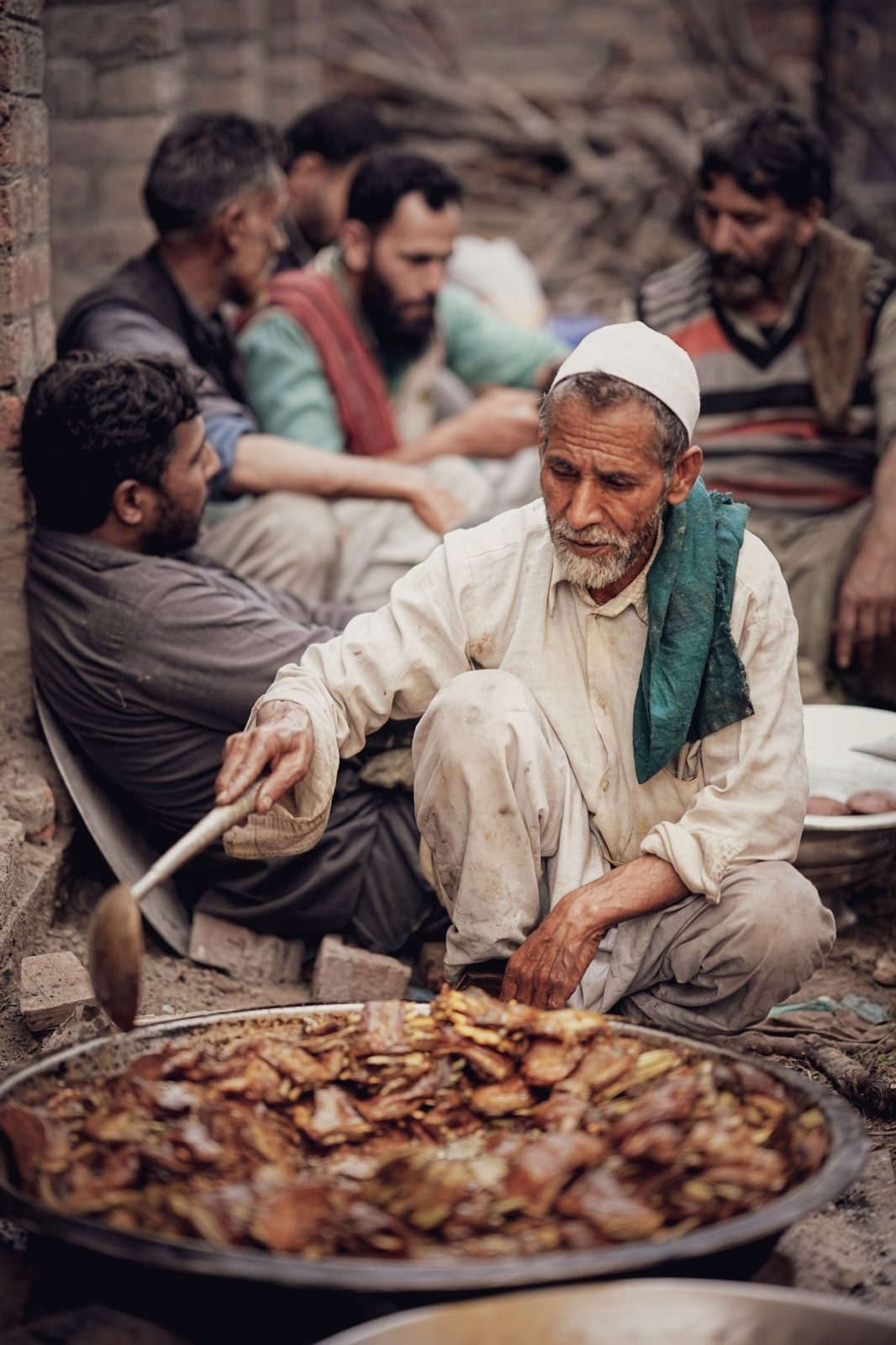
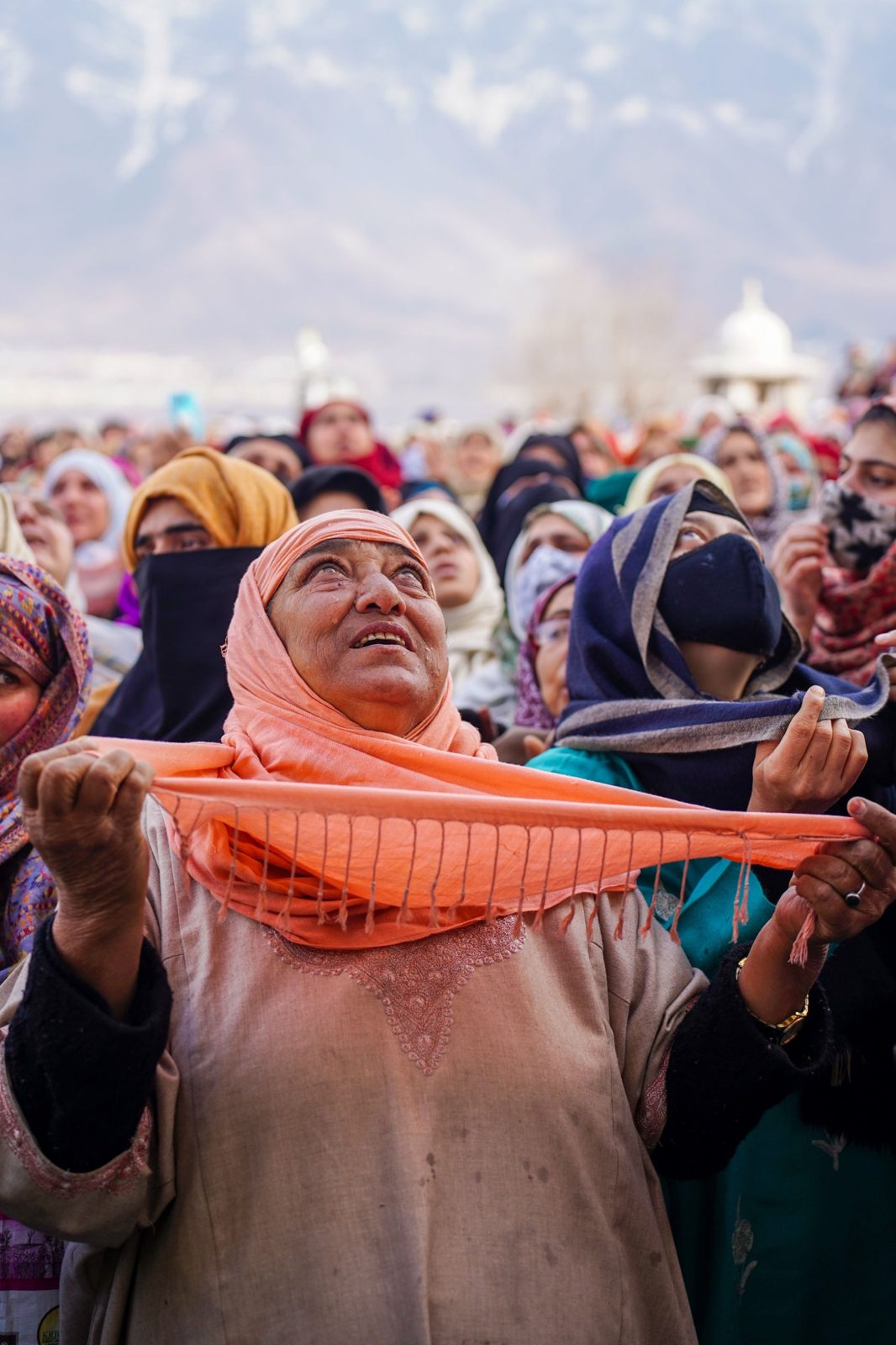
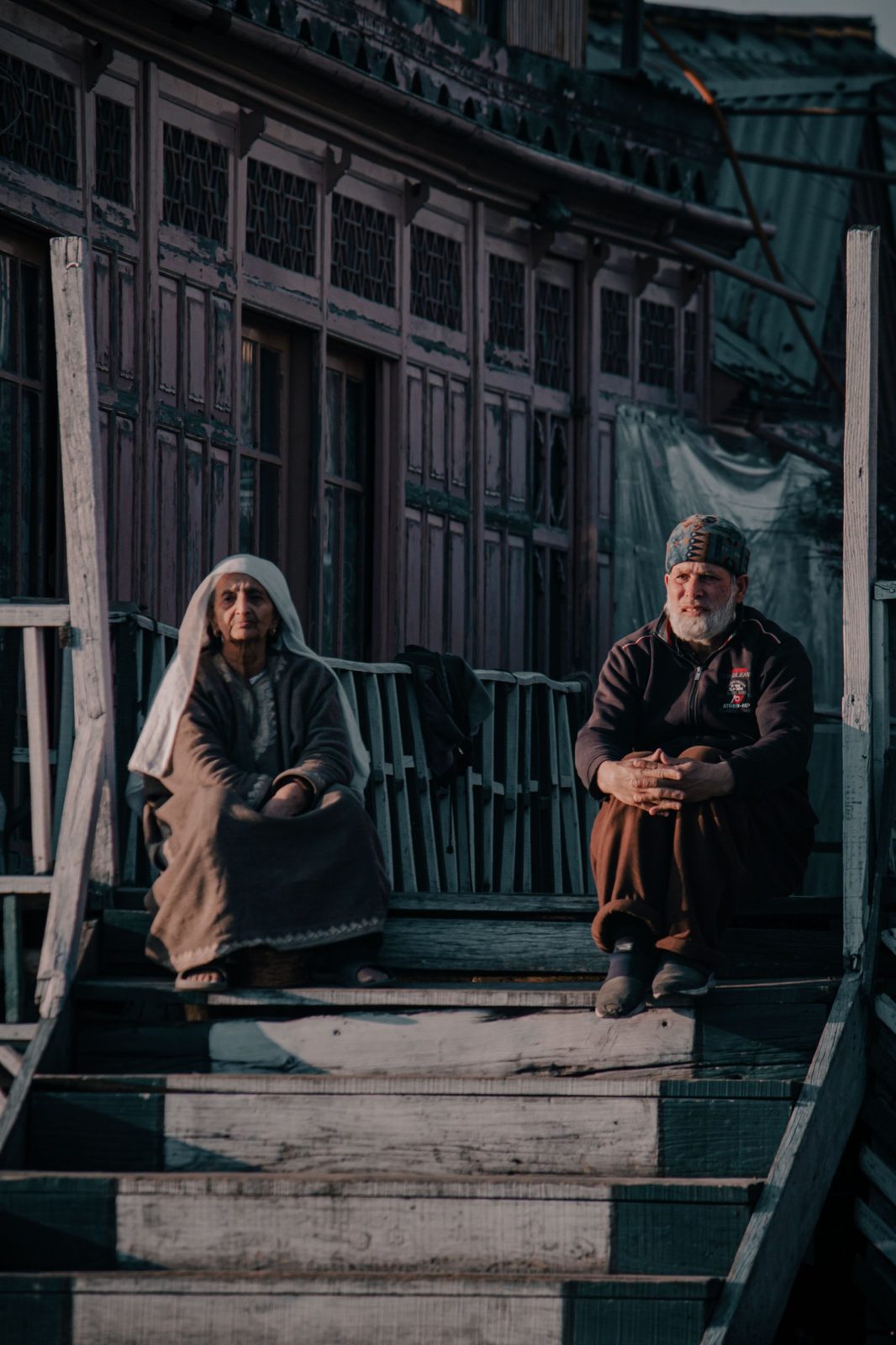
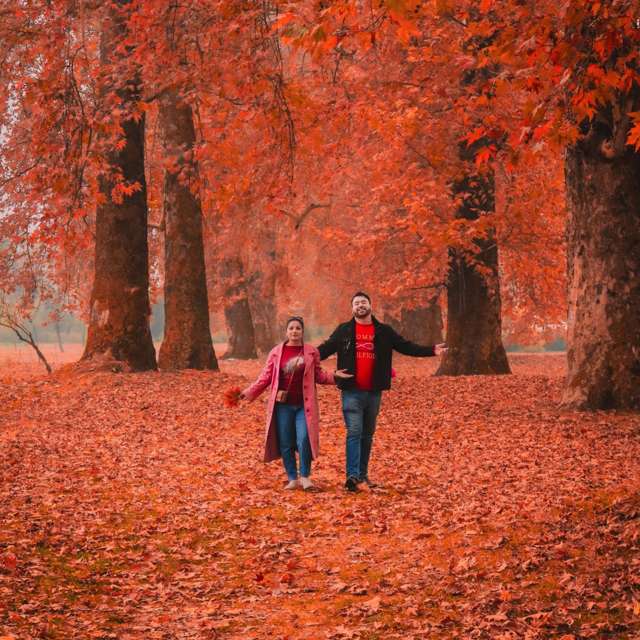
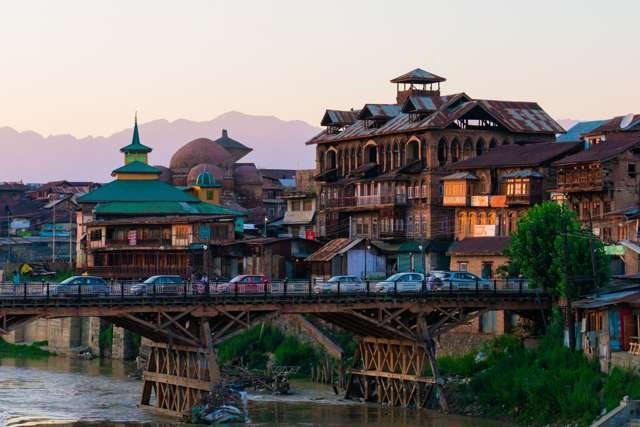
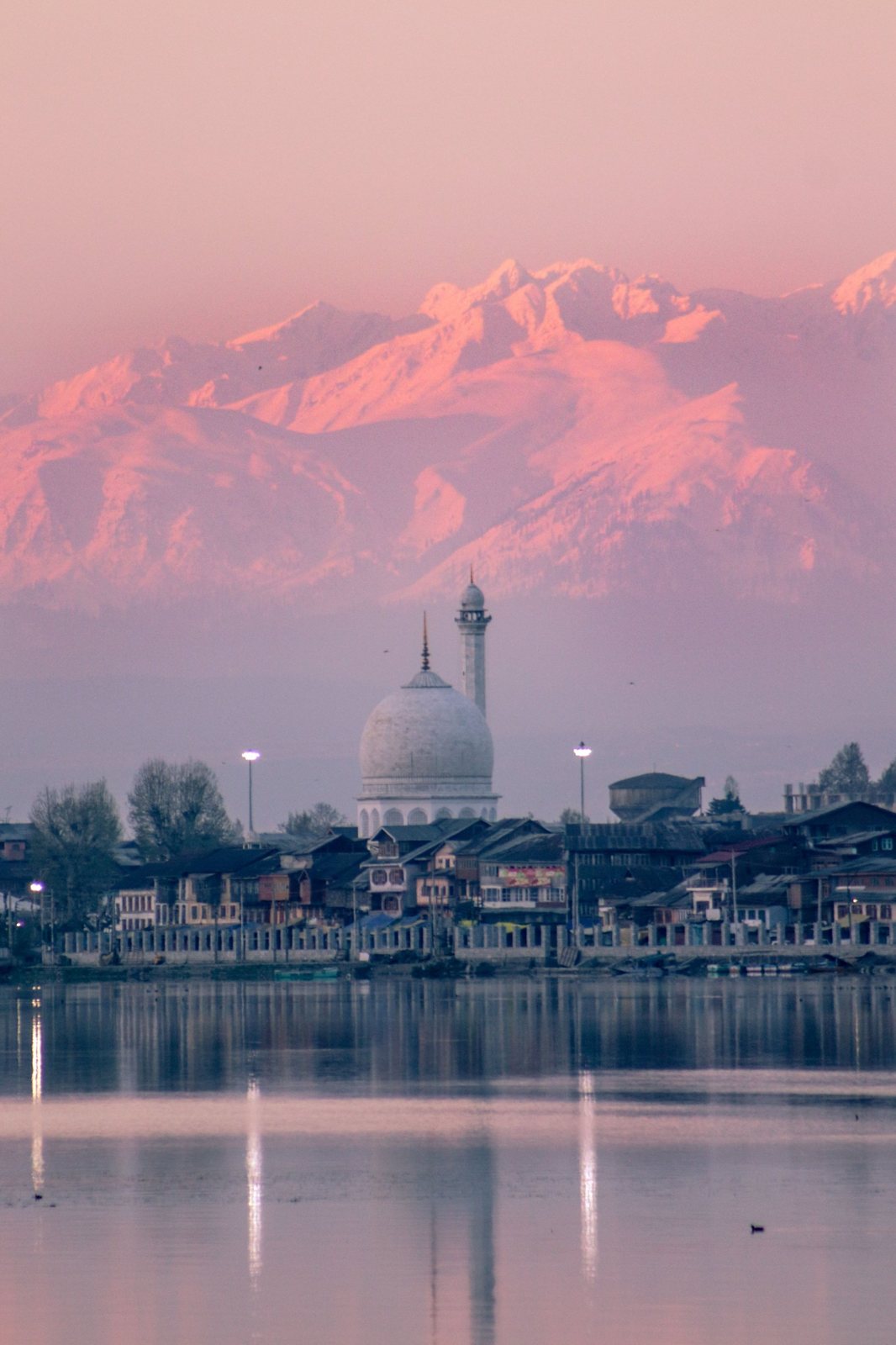
Kashmiri, Dogri and Ladakhi
People in most parts of the Kashmir valley speak the Kashmiri language. People in Jammu mainly speak Dogri, and Ladakhis speak Ladakhi. Kashmiri is written in the Perso-Arabic script and is one of the languages listed in the Eighth Schedule of the Indian Constitution.
The pheran and the kangri
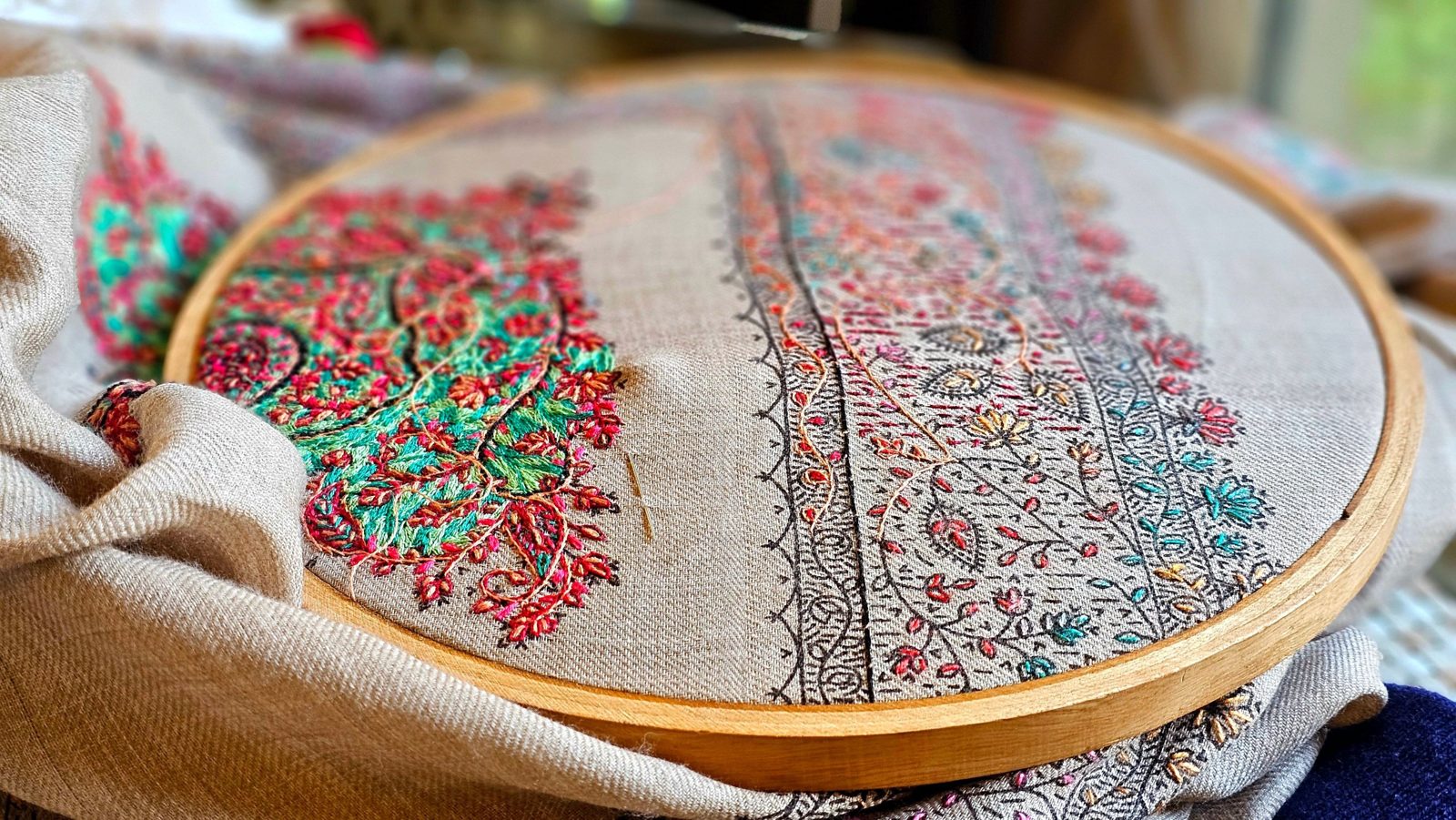
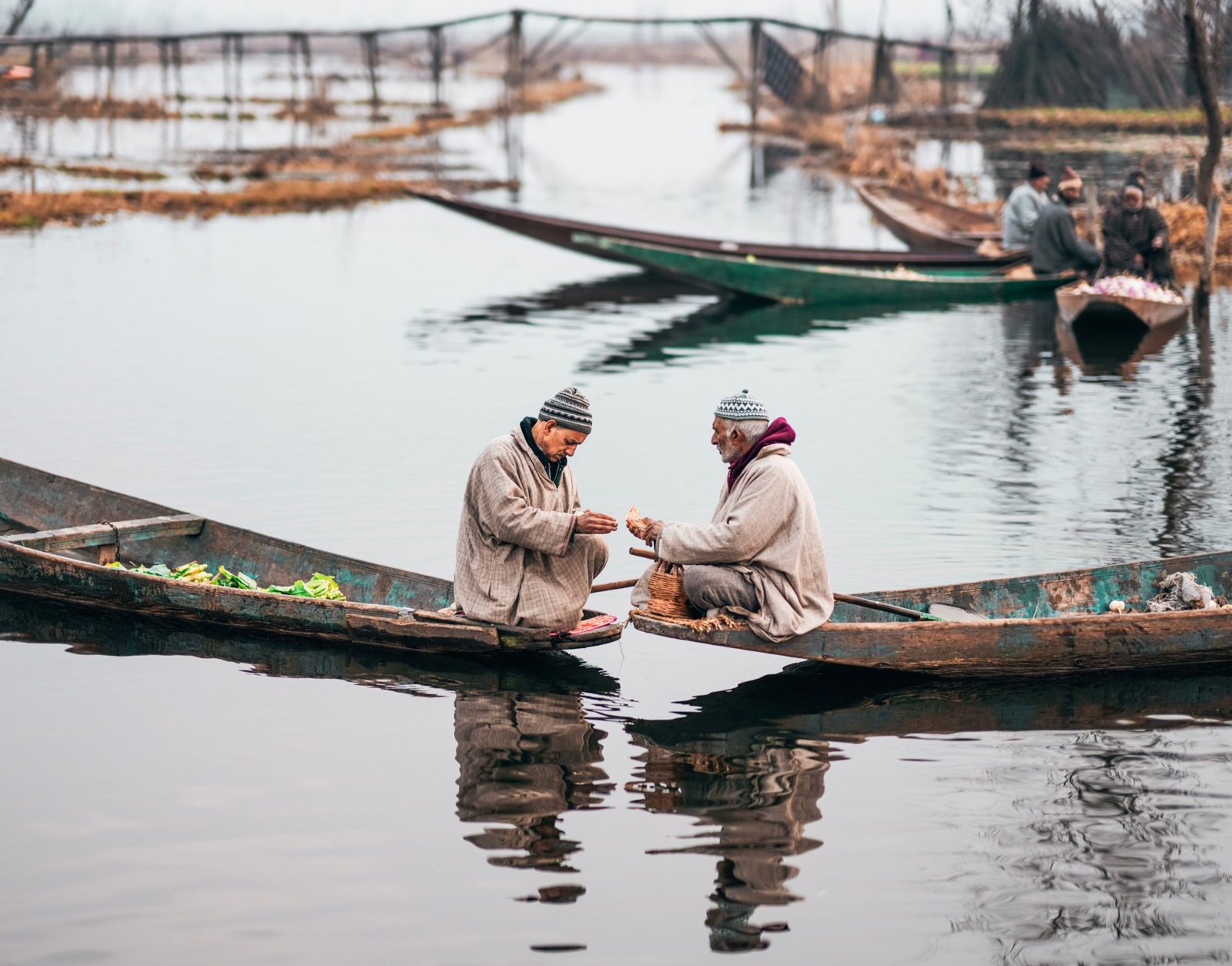
People usually wear long and loose clothes. In winter the main item of clothing is the long gown, the pheran, which protects them from the chill. The pheran is different for men and women, and women wear embroidered pherans in summer as well. The kangri, a fire pot, forms an essential part of winter, and you will be amazed to see every Kashmiri carrying one inside their pheran. They take kangris to bed as well, and keep them under their feet to stay warm.
Wazwan, noon chai and the baker
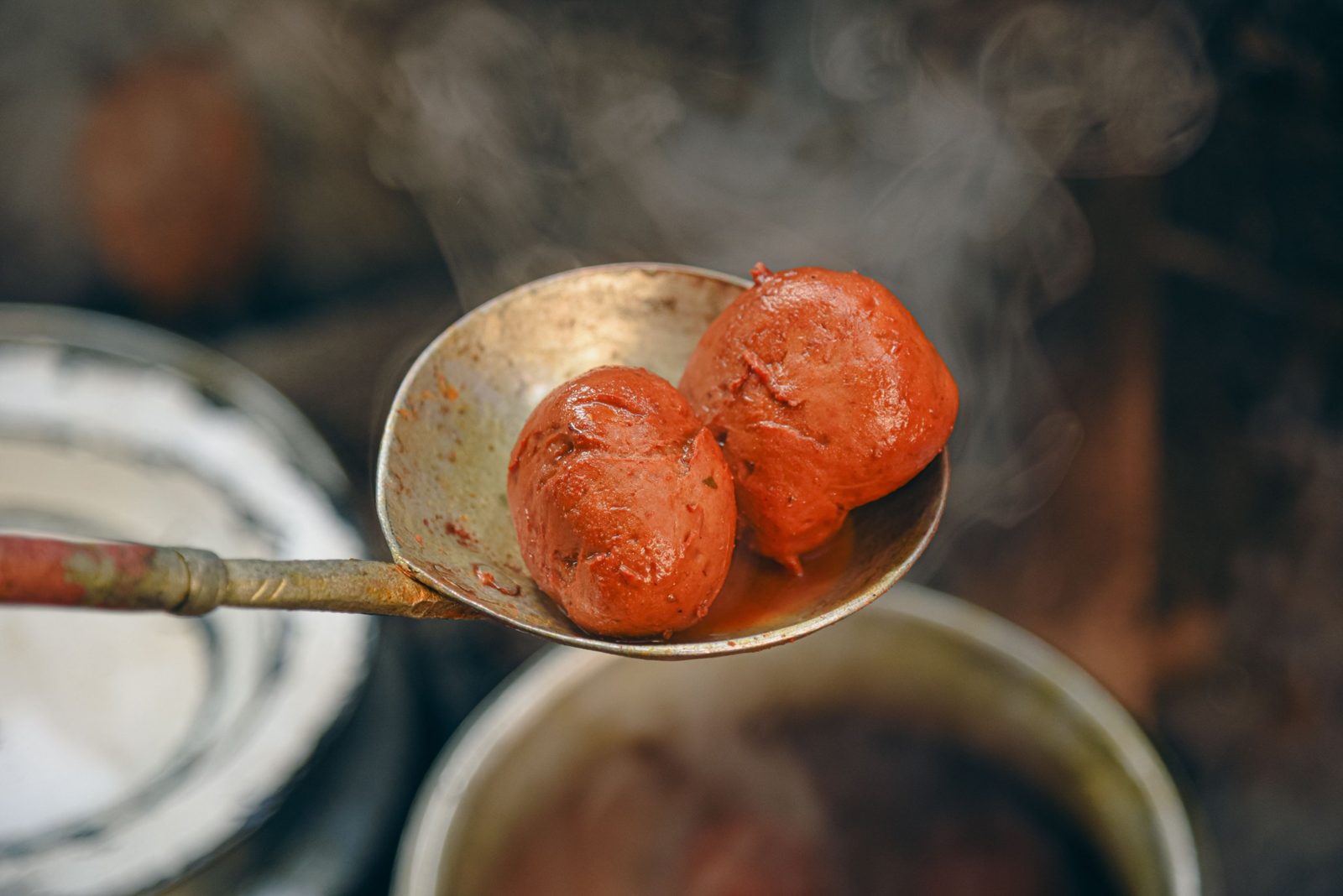
Delicious Kashmiri wazwan forms the soul of the cuisine in the valley. However, this food is served on special occasions like marriages. Normally people eat rice and vegetables at lunch and dinner. People have salty tea at breakfast, along with bread made by the local baker. The Kashmiri bagel, the ring-shaped czochworu, is particularly tasty and popular.
Food in Ladakh is Tibetan in character rather than Kashmiri: thukpa, momos, skyu and butter tea, suited to a cold, high, dry place.
The wazwan is a wedding dish rather than a restaurant dish, but we can arrange a proper one during your stay if you ask in advance. The recipes for three of its courses are written out on our Kashmiri recipes page.
Sufiana, chakri and the rouf
The classical music of Kashmir is Sufiana. The traditional folklore of Kashmir is the chakri, which is sung by a chorus of singers led by a lead singer. Various musical instruments used include the harmonium, the sitar, the santoor and the rabab. The major dance form is the rouf, performed by women, who make aesthetic movements while they sing. The songs are suited for different occasions. People in Ladakh perform their own traditional dances, which have a religious significance, and these are performed on special occasions like festivals.
What the valley has written
Jammu and Kashmir has made an important contribution to the literature of India. Many poets, dramatists and story writers are known for their great works, from Lal Ded and Sheikh Noor-ud-Din in the 14th century to Rehman Rahi, the first Kashmiri writer to win the Jnanpith Award.
Warm-hearted and hospitable
People in the entire region are warm-hearted and hospitable. They make you feel comfortable and are really helpful. Don't be surprised if you get invited to a marriage or a party and served delicious wazwan. Kashmiris love food, and they serve their guests with the choicest of dishes.
The rich cultural legacy they got from the Sufi saints interests many people, who come to this place to get better acquainted with the valley and with the culture of its people.
The culture of Kashmir, page by page
The language of the valley, its script and where it sits among India’s languages.
Read →Poetry and literatureLal Ded, Sheikh Noor-ud-Din, Habba Khatoon and the writers of the valley today.
Read →HandicraftsPashmina, carpets, sozni, papier-mâché, walnut wood, willow and copper.
Read →Kashmiri recipesGoashtaba, rista and chamani qaliya, with the methods and the ingredients.
Read →Jammu Kashmir cuisineThe wazwan, kehwa and the everyday food of the three regions.
Read →FestivalsWhat is celebrated through the year, and when to come for it.
Read →MusicSufiana, chakri and the instruments they are played on.
Read →ShrinesThe shrines and places of worship at the centre of the valley’s life.
Read →FolkloreHimal and Nagrai, Akanandun and the folk songs of the valley.
Read →ReligionIslam in the valley, Hinduism in Jammu, Buddhism in Ladakh.
Read →Sufi shrinesHazratbal, Charar-i-Sharief, Khanqah-e-Moula and the rest.
Read →Buddhist gompasHemis, Thiksey, Diskit and the monasteries of Ladakh.
Read →Kashmiri culture: questions and answers
What is a pheran and does a visitor wear one?
The pheran is the long loose woollen gown worn through the Kashmiri winter, cut differently for men and women, and embroidered versions are worn by women in summer too. Visitors are welcome to wear one, and most shops in Srinagar will sell you one. In deep winter it is genuinely the warmest thing you can put on.
What is a kangri?
A fire pot: an earthen bowl in a willow wicker casing, filled with embers and carried under the pheran. People take them to bed and keep them under their feet. If you are in Kashmir between December and February, somebody will hand you one.
What language do people speak in Kashmir?
Kashmiri in most of the valley, Dogri in Jammu and Ladakhi in Ladakh, with Urdu, Hindi and English widely understood. The Kashmiri dialect changes noticeably every ten kilometres or so, which is part of what makes the valley interesting to travel through.
When is wazwan served?
At weddings and other big occasions rather than every day. Ordinary meals are rice with vegetables, salty noon chai in the morning and bread from the neighbourhood baker. We can arrange a wazwan dinner during your stay if you ask in advance.
What is the rouf?
The best-known Kashmiri dance, performed by women standing in rows facing each other, moving together while they sing. It is danced at Eid and at weddings, and in spring. The chakri is its musical counterpart, sung by a chorus with a lead singer.
Is it alright to photograph people in Kashmir?
Ask first, as you would anywhere. People are generally welcoming and often pleased to be asked, but shrines, prayer gatherings and women in villages need particular care. Our guides will tell you where it is fine and where it is not.
Ask a question about Kashmiri culture
Ask for a free quote
Tell us what you would like to see, your dates and how many people are coming. Our team replies on WhatsApp or e-mail with the plan and the final price.
- No advance payment to ask
- Every plan can be changed
- Call or WhatsApp +91 9906 00 11 22
- Email info@kashmirtravels.com